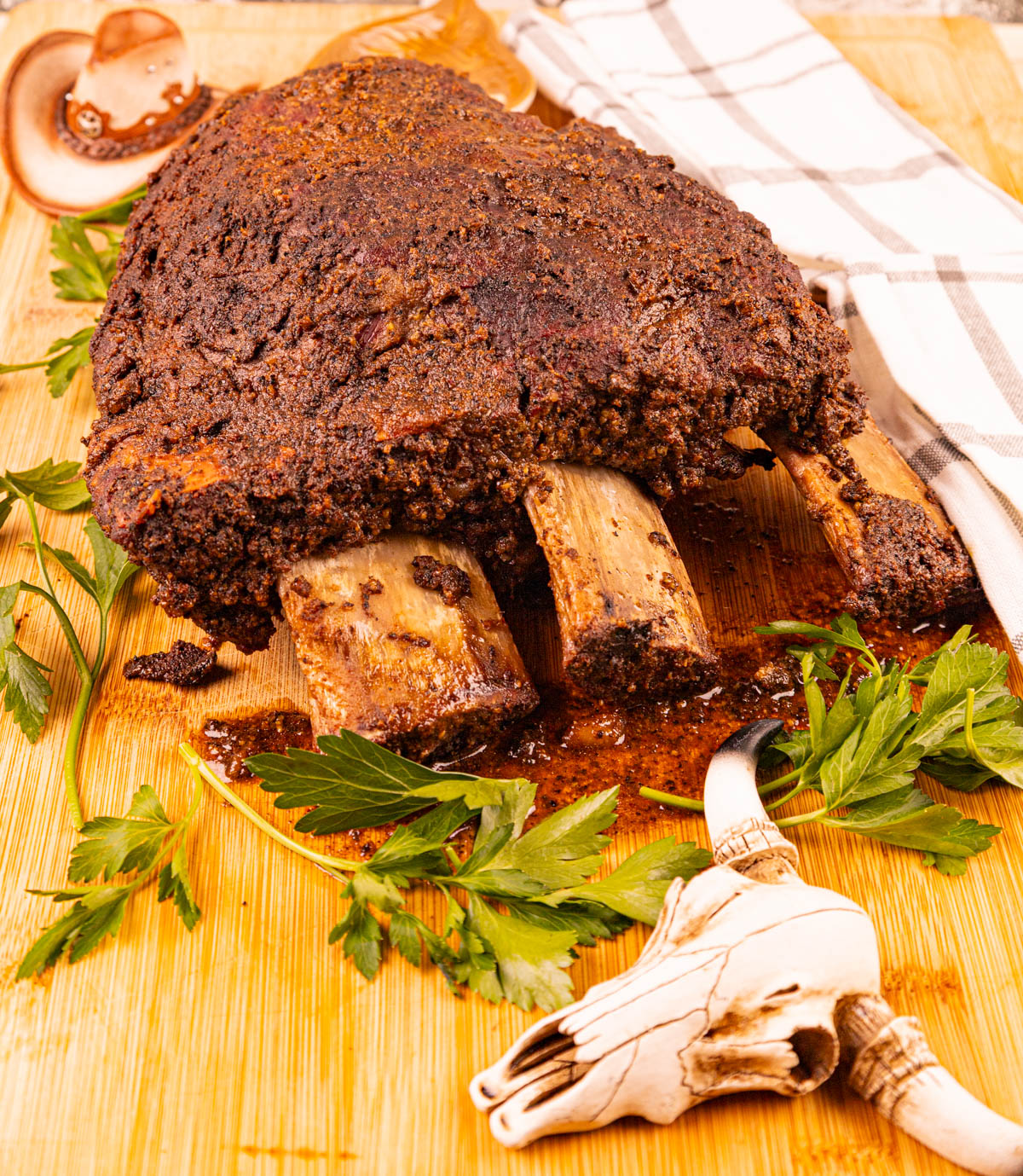
Dino ribs, also known as beef plate ribs are massive, heavily marbled beef ribs taken from the cow's short plate primal cut. Nicknamed for their prehistoric, 8–12 inch size, they feature a thick, tender meat layer that cooks low and slow, offering a rich, intense flavor similar to brisket.
Smoked dino ribs are the ultimate BBQ indulgence—massive, tender, and bursting with smoky flavor. Follow along to turn these colossal ribs into the star of your next feast.
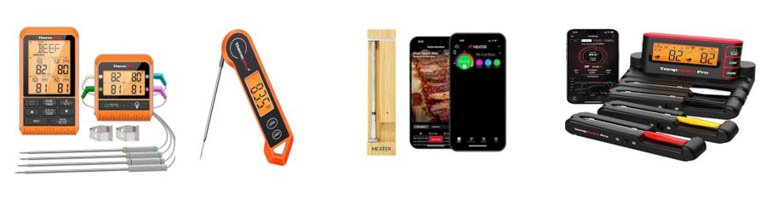
Before we begin, I can’t stress enough the importance of having the right tools for the job—especially high-quality thermometers. When it comes to smoking meat, temperature control is everything. A reliable wireless probe and a dependable instant-read thermometer take the guesswork out of the process and ensure your cook turns out perfectly every time.
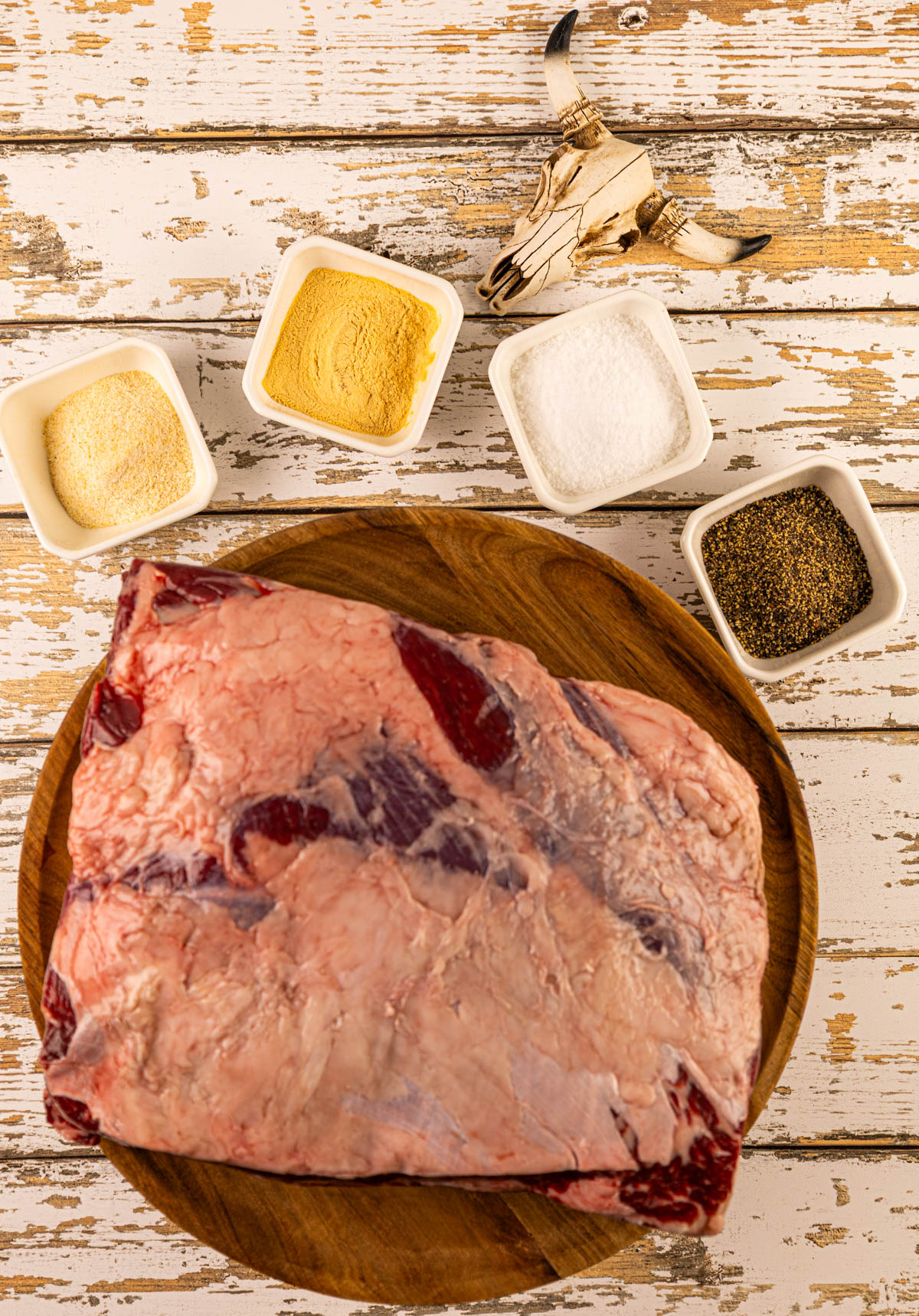
Start by trimming the excess fat from the ribs. Before smoking, generously season them and let them sit for at least an hour. This not only brings the ribs to room temperature but also gives the seasoning time to penetrate the meat. I like using olive oil as a binder, but mustard works well too—it helps the rub cling to the ribs.
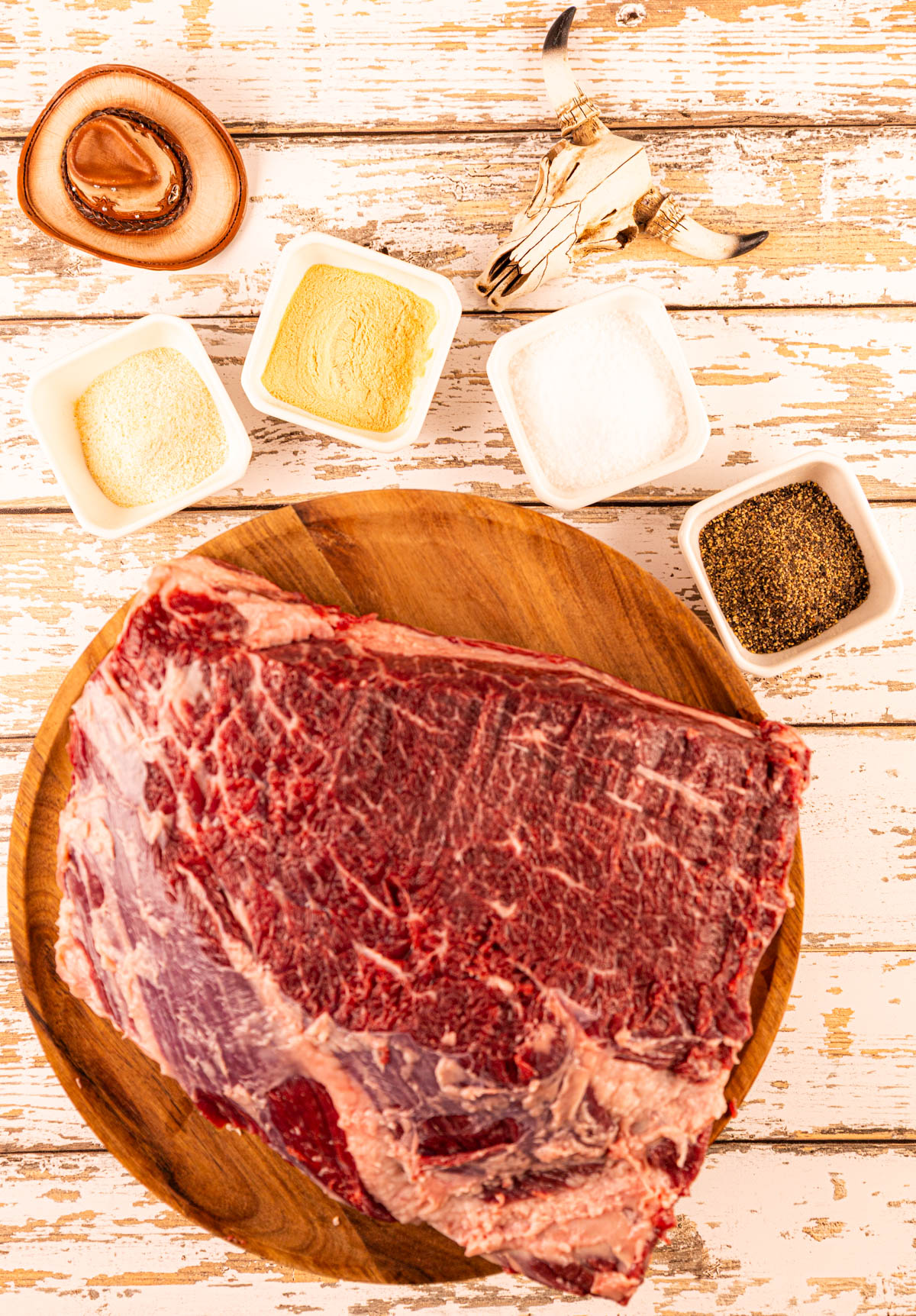
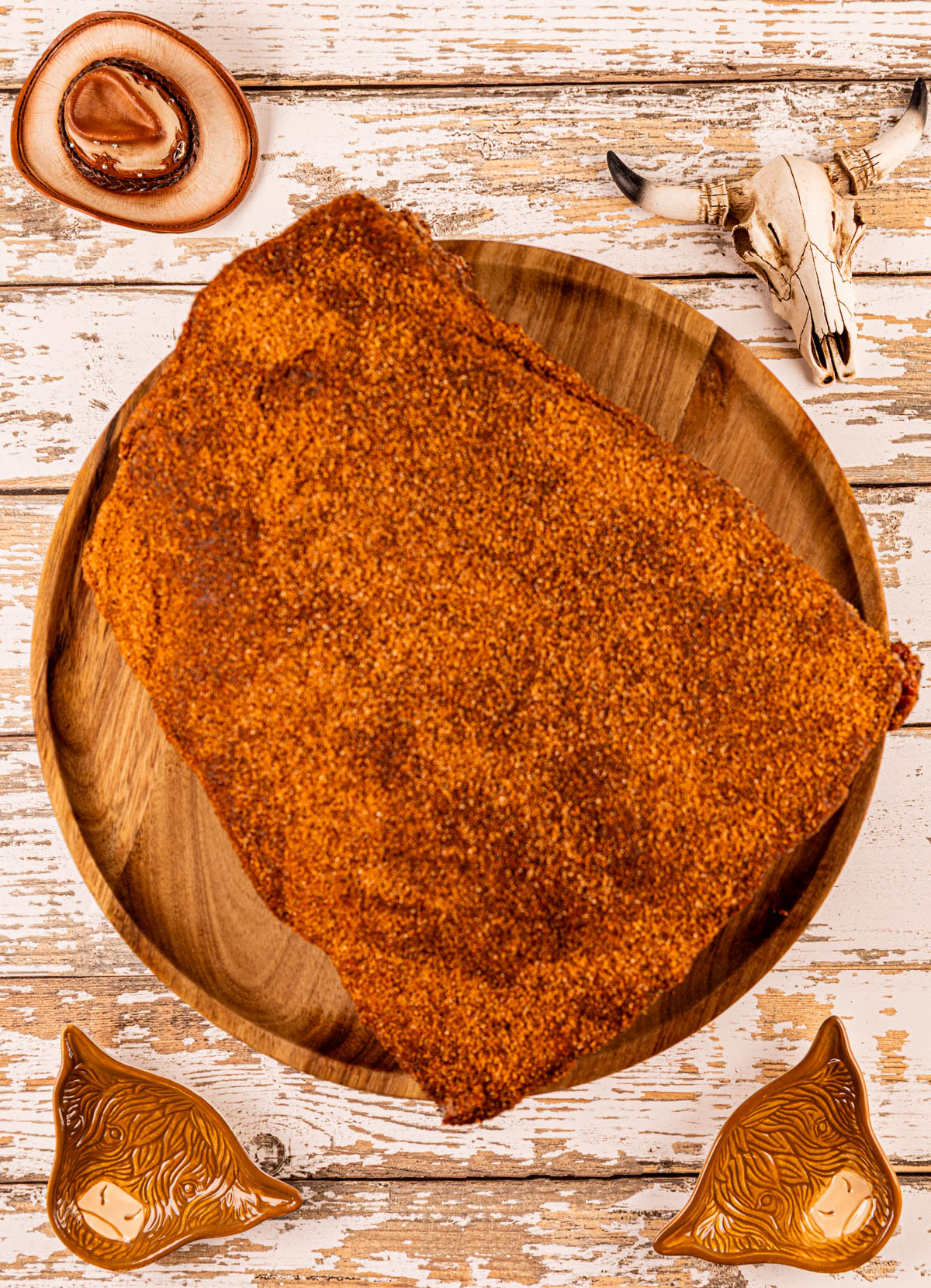
Now that we are ready for the smoker, preheat your smoker and stabilize the temperature at 225°F. Insert a reliable probe into the thickest part of the meat. I am a huge fan of the TempSpike wireless probe, this tool has all the bells and whistles you can ask for that will make your cook much easier. Set the ribs directly on the smoker grate and spritz with apple juice every hour until internal temperature reaches 160°F. This low-and-slow heat is perfect for beef ribs, allowing them to cook gently and absorb all the smoky flavor. For large or expensive cuts of meat, I like to use multiple probes to ensure consistent temperatures throughout. Place a probe on each side of the thickest part of the meat to make sure it’s cooking evenly. Our goal is to wait until the internal temperature hits 160°F.
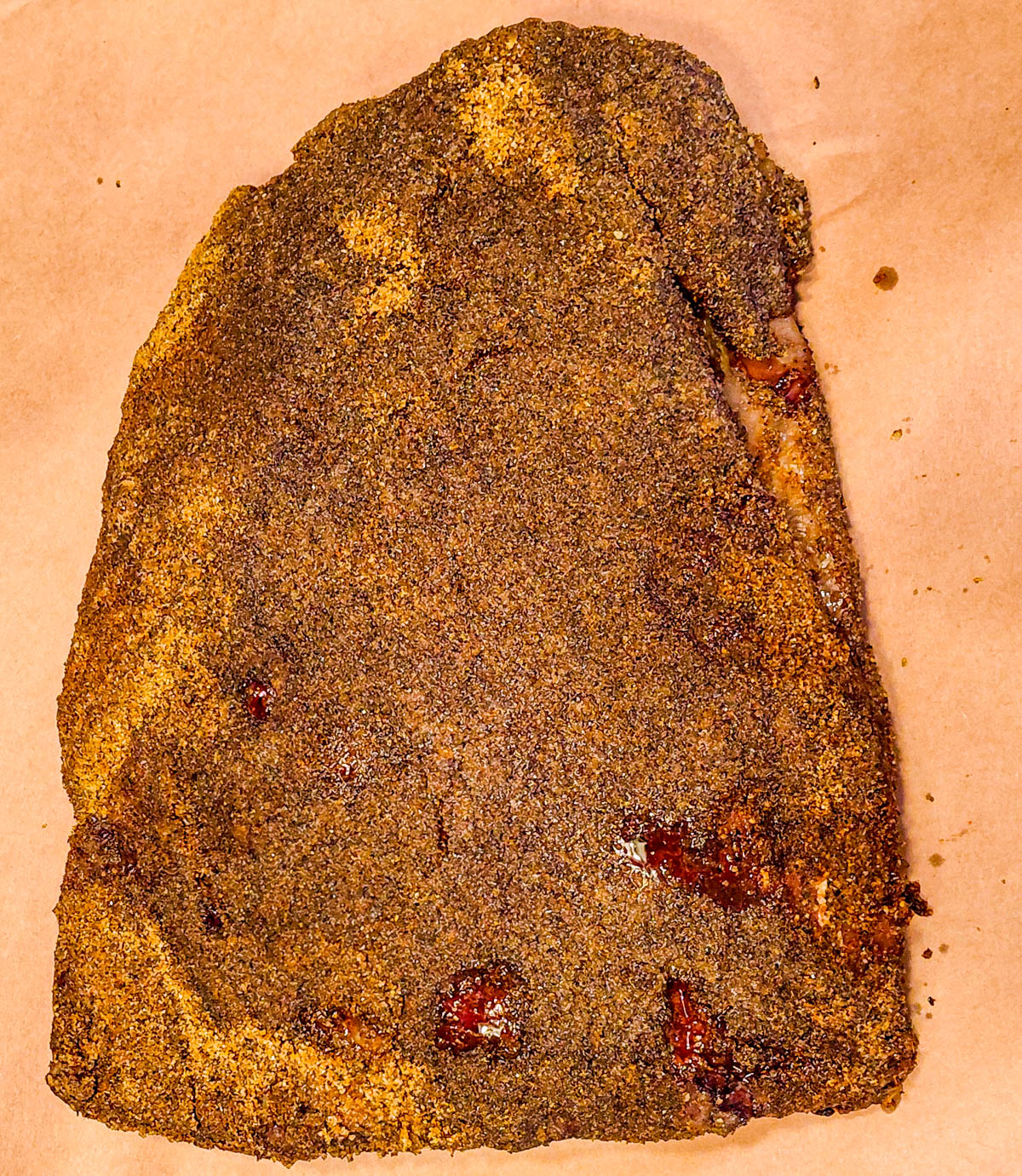
Once the internal temperature reaches 160°F, it’s time to wrap the ribs. I like to use butcher paper to lock in moisture and create a steamy environment that helps the meat stay tender. Before wrapping them tightly, drench the ribs in melted butter and return them to the smoker to continue cooking low and slow until they reach that perfect, fall-off-the-bone tenderness at 203°F.
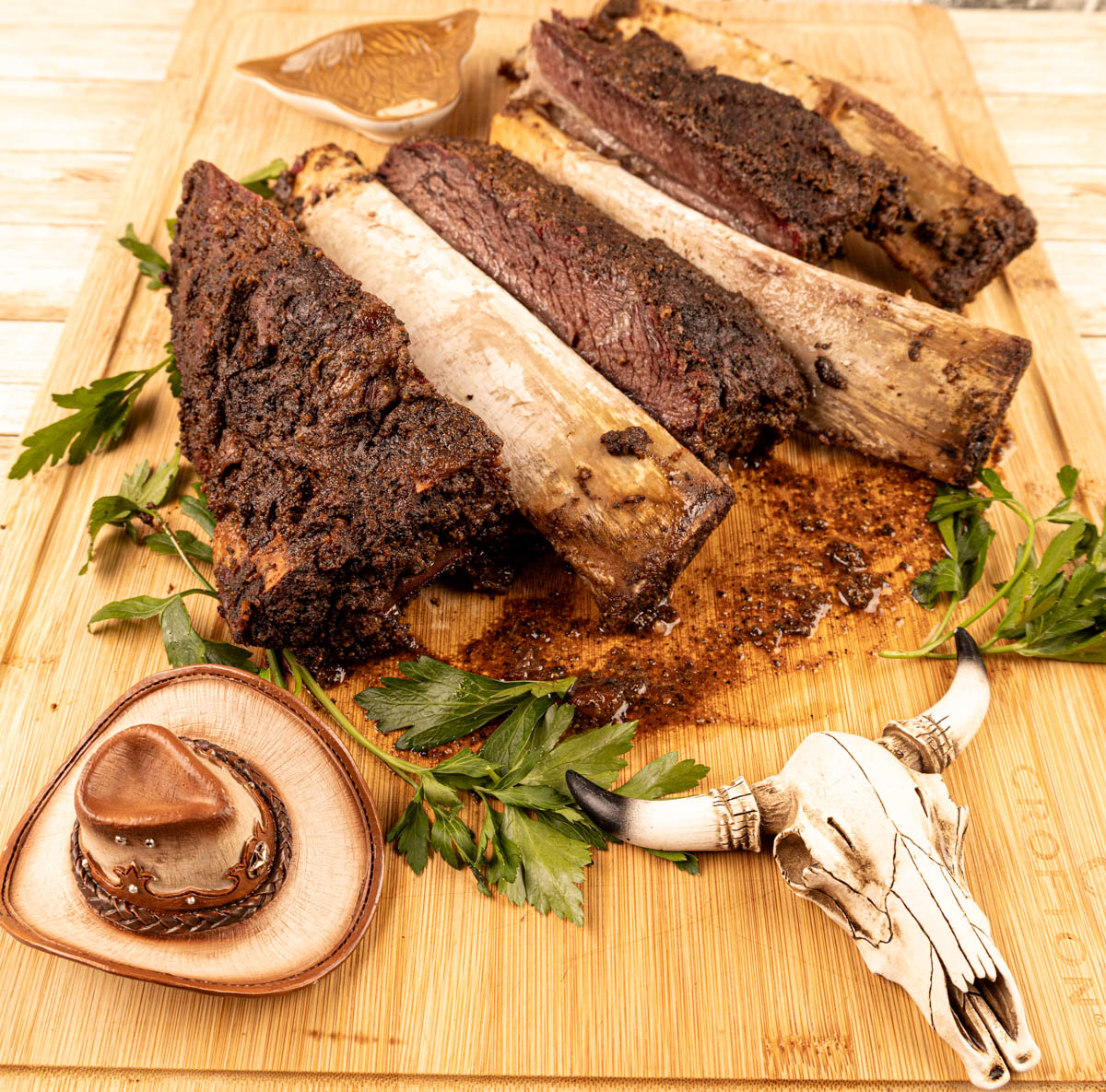
After removing the ribs from the smoker, let them rest in a cooler for about 30 minutes. This allows the meat to relax and the juices to redistribute, keeping the ribs tender and flavorful.
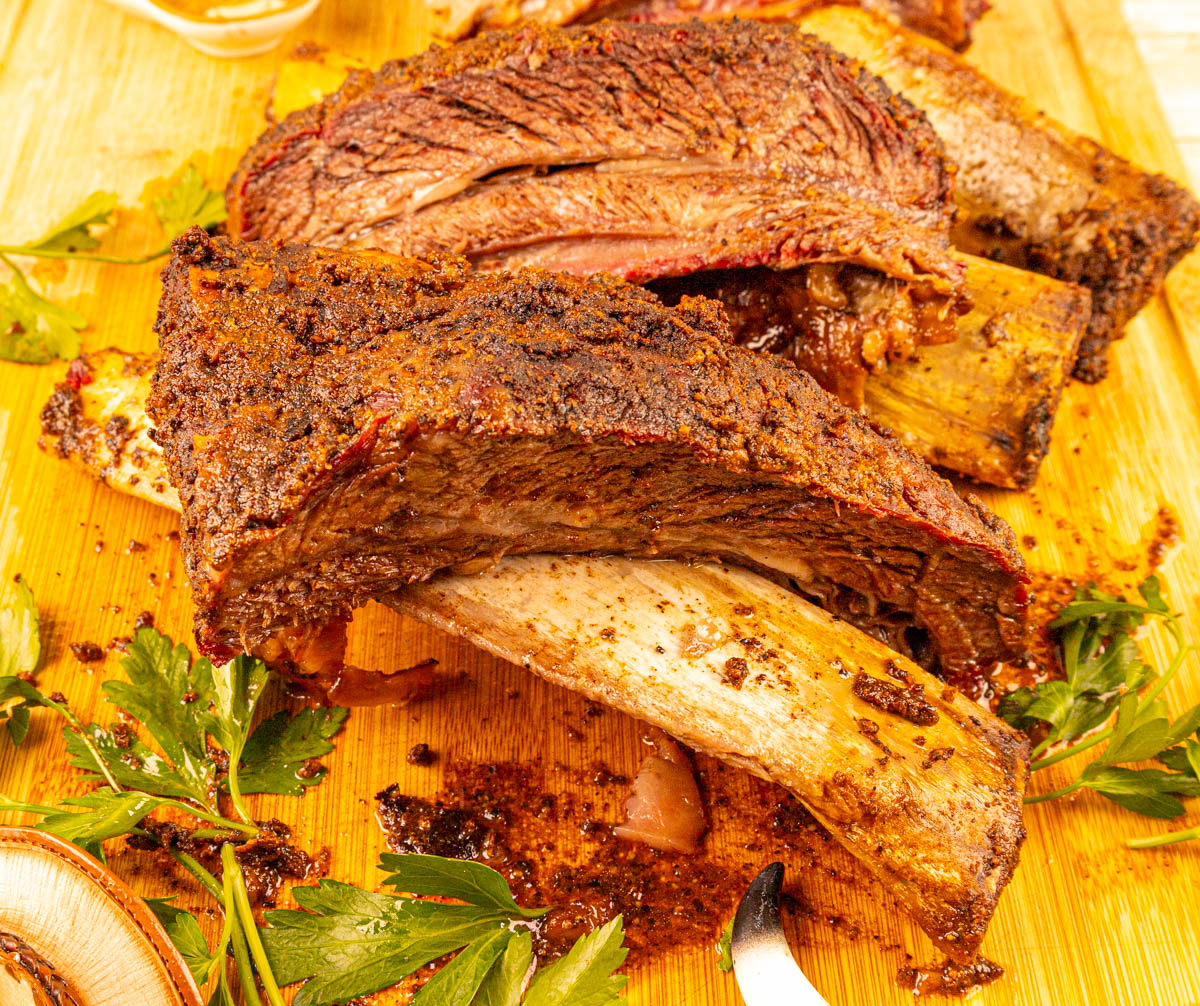
Behold, the ultimate showstopper—these smoked dino ribs, fresh from the smoker and ready to be devoured. Each bite is a tender, smoky explosion of flavor, making you the pitmaster your friends and family have always dreamed of. So gather everyone around, because this is your moment to shine.
Smoked Dino Ribs
Equipment
- 1 Electric Traeger Smoker
- 1 Thermometer probes
- 1 BBQ Gloves
- 1 Butcher paper
Ingredients
- ½ cup kosher salt
- ½ cup black pepper course
- ¼ cup garlic powder
- ¼ cup onion powder
Instructions
- Trim the fat from the ribs. About an hour before smoking, lightly coat the ribs with olive oil, then generously season them on all sides with your preferred seasonings.
- Preheat your smoker to 225°F. Add your choice of smoking wood—pecan or hickory works great for beef, but any wood you prefer will do.
- Put the ribs on the smoker grates. Spritz the ribs every hour.
- Smoke until the internal temperature reaches 160°F. Spot check the ribs with an instant read thermometer to be sure it's close to 160°F. Take off the ribs from the smoker and lay it on butcher paper.
- Once the ribs are on butcher paper, brush on melted butter and wrap it tight and put it back in the smoker and bump the temperature to 250°F.
- Keeping an eye on your probes (I like to use 2 probes at all times to be sure the temperature is accurate). We want the final temperature to be 203°F.
- Once the internal temp hits 203°F, take out of the smoker and rest it in a cooler for 30 minutes. This allows the juices to render.
- When the rendering process is complete, transfer the ribs to a cutting board or large serving dish. Be prepared for a little mess—the bones may start to fall off, and the ribs will be juicy and piping hot!
- Get ready for mouthwatering goodness!
Comments
No Comments